
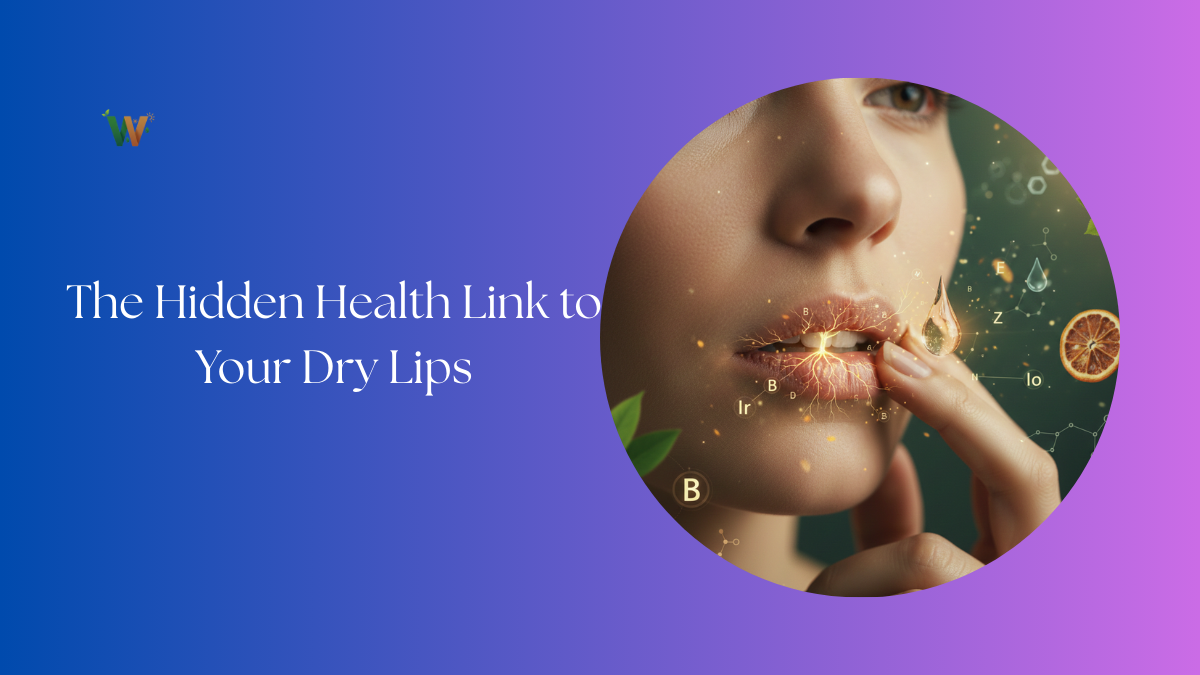
We have all been there: that uncomfortable, tight sensation that leads to flaking, peeling, and the inevitable urge to reach for a lip balm. For most, dry lips are a seasonal nuisance—a byproduct of a harsh winter wind or a particularly dry office environment. But what happens when the dryness doesn’t go away?
When topical treatments fail and the “chapped” feeling becomes a permanent fixture, your body might be trying to communicate something far more complex than a need for hydration. The skin on your lips is uniquely sensitive and serves as a visible barometer for your internal health.
This guide explores the physiological secrets behind persistent dry lips, the specific vitamin deficiency triggers that cause them, and how to identify when a simple balm isn’t enough.


Table of Contents
The Biology of Your Lips: Why They Are Vulnerable
To understand why dry lips are such a common indicator of internal health, we first have to look at the anatomy of the lips compared to the rest of the body.
A Thinner Barrier
The skin on your lips is significantly thinner than the skin on your arms or face. While typical skin has up to 16 layers of cells, the lips have only three to five. This makes the underlying capillaries more visible (giving lips their red or pink hue) but also makes them far more susceptible to damage and moisture loss.
Lack of Oil Glands
Unlike the rest of your skin, your lips do not contain sebaceous (oil) glands. These glands produce sebum, a natural oil that keeps skin lubricated and provides a protective barrier against the environment. Without this built-in protection, the lips rely entirely on external moisture and internal hydration.
Absence of Melanin
Lips contain very little melanin, the pigment that protects skin from UV rays. This makes them exceptionally vulnerable to sun damage, which can lead to chronic dryness and a condition known as actinic cheilitis.

The Vitamin Deficiency Connection
If you find yourself constantly reapplying lip balm with no long-term relief, the culprit may be nutritional. A persistent vitamin deficiency can manifest on the lips long before it shows up in blood tests or more severe symptoms.
The Vitamin B Complex: The Primary Suspects
The B-vitamin family is responsible for cellular energy, tissue repair, and maintaining the integrity of the mucous membranes. When these are low, the lips are often the first to suffer.
- Vitamin B2 (Riboflavin): Riboflavin is essential for cell growth and function. A deficiency, known as ariboflavinosis, commonly causes dry lips and cracks at the corners of the mouth (angular cheilitis).
- Vitamin B3 (Niacin): Niacin helps the skin retain moisture. A lack of B3 can lead to red, swollen lips and a painful, “burning” tongue.
- Vitamin B6 (Pyridoxine): This vitamin is involved in protein metabolism. Deficiency symptoms often include dermatitis and chapped lips.
- Vitamin B12 (Cobalamin): Crucial for DNA synthesis and nerve function, low B12 levels are frequently linked to chronic lip peeling and paleness.
Zinc: The Healing Mineral
Zinc is a trace mineral vital for skin health and wound healing. It helps protect the lips from environmental stressors and supports the immune system. A zinc deficiency can lead to a breakdown in the skin barrier, making lips appear chronically flaky and slow to heal from minor cracks.
Iron: Oxygen and Integrity
Iron is necessary for producing hemoglobin, which carries oxygen to your tissues. Low iron (anemia) results in less oxygen reaching the delicate skin of the lips, leading to a pale appearance, dryness, and a higher likelihood of developing sores at the mouth’s corners.
When Dry Lips Mean Something More: Underlying Medical Conditions
While vitamin deficiency is a leading cause, several systemic health issues use the lips as a signaling device.
Angular Cheilitis
This isn’t just “dry lips.” Angular cheilitis is an inflammatory condition characterized by painful sores and cracks in the corners of the mouth. While it can be caused by fungal infections (like Candida), it is frequently a secondary symptom of B-vitamin or iron deficiencies.
Dehydration and Electrolyte Imbalance
The most obvious cause is often the most overlooked. Chronic dehydration reduces the volume of your skin cells. If your electrolytes—sodium, potassium, and magnesium—are out of balance, your body cannot effectively hold onto the water you drink, leaving your lips parched despite your best efforts.
Autoimmune Markers
In some cases, chronic dryness is a symptom of Sjögren’s syndrome, an autoimmune disorder where the body attacks its own moisture-producing glands. This results in extremely dry eyes, a dry mouth, and perpetually cracked lips.
Thyroid Dysfunction
Hypothyroidism (an underactive thyroid) slows down the body’s metabolic processes, including the turnover of skin cells and the production of natural oils. This often results in skin that is rough, cold, and chronically dry, especially on the extremities and lips.
Common Habits That Worsen the Problem
Sometimes, our attempts to fix dry lips actually make the condition worse. Recognizing these “vicious cycles” is the first step toward recovery.
| Habit | Why It’s Harmful |
| Licking Your Lips | Saliva contains digestive enzymes (amylase and maltase) that wear down the thin skin of the lips. As saliva evaporates, it pulls even more moisture out of the tissue. |
| Mouth Breathing | Constant airflow over the lips dries out the surface moisture rapidly. This is common during sleep or when dealing with nasal congestion. |
| Using Flavored Balms | Ingredients like menthol, camphor, and artificial flavorings can act as irritants, causing a “rebound” effect where the lips feel drier after the product wears off. |
| Spicy or Acidic Foods | If your lip barrier is already compromised, the acid in citrus or the capsaicin in peppers can cause further inflammation and prevent healing. |
Identifying Your Specific Deficiency: A Symptom Checklist
Not all dry lips are created equal. Pay attention to the specific way your lips are reacting to identify the potential internal cause.
Cracks at the Corners (Angular Cheilitis)
- Potential Link: Vitamin B2, B12, or Iron.
- Action: Increase intake of leafy greens, eggs, and lean proteins.
Swelling and Redness
- Potential Link: Vitamin B3 (Niacin) or an allergic reaction (Cheilitis venenata).
- Action: Look for Niacin-rich foods like tuna or poultry; review recent changes in toothpaste or lipstick.
Chronic Peeling (Exfoliative Cheilitis)
- Potential Link: Vitamin A toxicity or Vitamin B deficiency.
- Action: Ensure you aren’t over-supplementing with Vitamin A; focus on hydration and B-complex.
Paleness and Thinning
- Potential Link: Iron deficiency or B12 deficiency.
- Action: Consider a blood test to check ferritin and hemoglobin levels.
Dietary Solutions: Healing from the Inside Out
To truly resolve the “hidden health link,” you must move beyond topical ointments and address your nutritional intake.
Foods to Combat Lip Dryness
- For B-Vitamins: Fortified cereals, nutritional yeast, eggs, milk, yogurt, and dark leafy greens like spinach and kale.
- For Zinc: Pumpkin seeds, oysters, chickpeas, and lentils.
- For Iron: Red meat (in moderation), beans, tofu, and fortified grains.
- For Healthy Fats: Avocado, walnuts, and flaxseeds provide the fatty acids necessary to maintain the skin’s lipid barrier.
The Role of Hydration
It is a cliché for a reason: your skin is the last organ to receive the water you drink. Aim for consistent hydration throughout the day rather than “chugging” water all at once. Adding a pinch of sea salt or an electrolyte powder can help your cells actually absorb the fluid.
Choosing the Right Topical Protection
While internal health is paramount, you still need to protect the surface while it heals. Not all lip balms are created equal.
Ingredients to Look For
- Ceramides: These help rebuild the skin barrier.
- Beeswax or Lanolin: These act as “occlusives,” meaning they seal moisture into the skin.
- Hyaluronic Acid: A humectant that pulls moisture into the deeper layers of the lip tissue.
- Shea Butter: Provides deep emollient properties without being an irritant.
Ingredients to Avoid
- Fragrance/Parfum: The leading cause of contact dermatitis on the lips.
- Menthol/Eucalyptus: These provide a “tingle” that feels like it’s working, but it’s actually a mild irritant that increases dryness.
- Salicylic Acid: Often found in “medicated” balms, it exfoliates the skin, which can be too aggressive for already damaged lips.
Environmental Factors and Lifestyle Adjustments
Sometimes the “hidden link” is your environment. As we spend more time indoors, our micro-climates play a massive role in skin health.
The Humidifier Hack
Central heating and air conditioning strip the air of moisture. Using a cool-mist humidifier in your bedroom at night can significantly reduce the amount of moisture lost from your lips while you sleep.
Sun Protection for Lips
Remember that lips lack melanin. Always use a lip balm with at least SPF 30 when spending time outdoors. Chronic sun damage can lead to a “sandpaper” texture on the lips that no amount of B-vitamins can fix.
Change Your Toothpaste
Many people are sensitive to Sodium Lauryl Sulfate (SLS), the foaming agent in most toothpastes. If your lips are consistently dry and irritated, try switching to an SLS-free toothpaste for two weeks to see if symptoms improve.
When to See a Doctor
Dry lips are usually a sign of a minor deficiency or environmental stress, but they can occasionally signal something more urgent. You should consult a healthcare professional if:
- Your lips are bleeding or show signs of infection (yellow crusting or pus).
- The dryness is accompanied by a persistent sores that do not heal within two weeks.
- You have extreme dry mouth and dry eyes simultaneously.
- You feel fatigued, dizzy, or have a sore, swollen tongue.
A simple blood panel can check for vitamin deficiency (specifically B12, Iron, and Zinc), allowing for targeted supplementation rather than guesswork.
Summary Table: Identifying the Cause
| Symptom | Most Likely Cause | Primary Recommended Nutrient |
| Cracks at corners | Riboflavin/Iron Deficiency | Vitamin B2, Iron |
| Scaly, peeling surface | Zinc Deficiency / Dehydration | Zinc, Electrolytes |
| Burning sensation | B3 / B12 Deficiency | B-Complex |
| Persistent dryness/sun sensitivity | Environmental / Actinic Cheilitis | SPF 30+, Ceramides |
| Inflamed, red borders | Allergy / SLS Irritation | SLS-free toothpaste |
Conclusion: Listen to Your Lips
Your body rarely acts at random. A “simple” case of dry lips is often a sophisticated feedback mechanism. By looking past the surface and considering the possibility of a vitamin deficiency or an environmental trigger, you can address the root cause rather than just masking the symptoms.
Healing your lips requires a dual approach: nourishing the skin from the inside with a nutrient-dense diet and protecting it from the outside with clean, occlusive barriers.