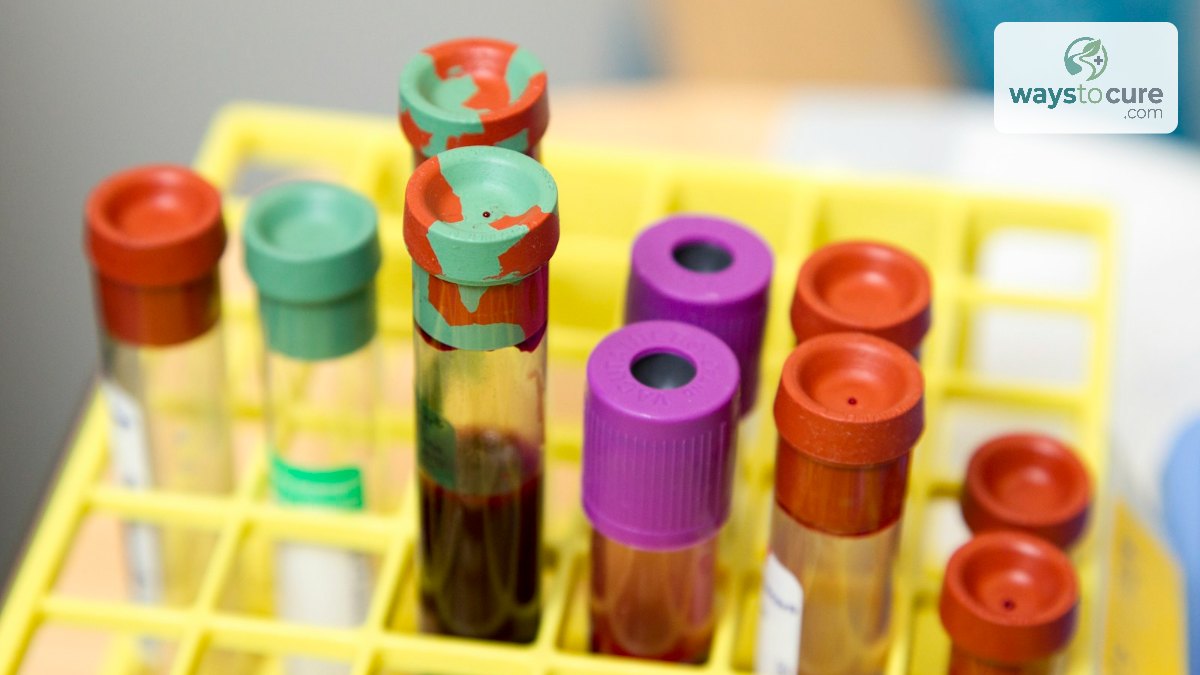
Jaundice isn’t a disease in itself. Yellow eyes or skin mean a substance called bilirubin is building up in your blood, and the cause can be anything from a passing hepatitis A infection to a gallstone blocking the bile duct or, less often, a cancer. That’s why every adult with new jaundice needs a doctor and a few blood tests, not a home remedy.
Here’s what jaundice signals, the common causes in India, the tests you’ll likely need, and why some popular “jaundice cures” can make things worse.
What jaundice looks like
The NHS lists these signs:
- yellowing of the whites of the eyes, and sometimes the skin
- itchy skin
- darker urine and paler stools than usual
On brown skin, the yellow tint can be hard to see, so check the whites of the eyes in daylight. Some people also feel tired, lose their appetite, feel sick or get a fever, depending on the cause.
Why bilirubin builds up
Bilirubin is made when old red blood cells break down. The liver processes it and sends it out in bile, through the bile ducts into the gut. Jaundice happens when something goes wrong at one of three points. Cleveland Clinic groups the causes like this:
| Where the problem is | What’s happening | Common causes |
|---|---|---|
| Before the liver | Red blood cells are breaking down too fast | Haemolytic anaemias, sickle cell disease, reabsorbing a large bruise |
| In the liver | Liver cells are inflamed or damaged and can’t clear bilirubin | Viral hepatitis (A, B, C, E), alcohol-related liver disease, autoimmune hepatitis, some medicines, paracetamol overdose |
| After the liver | Bile can’t drain into the gut | Gallstones in the bile duct, inflamed gallbladder, tumours of the pancreas or gallbladder |
Hepatitis A and E are worth knowing about in India because both spread through food or water contaminated with faeces, which is more likely when water supplies are unsafe (see our post on monsoon infections and prevention).
Hepatitis A and E
According to the WHO, hepatitis A has an incubation period of 14 to 28 days and has no specific antiviral treatment. Recovery can be slow and take several weeks or months. A vaccine is available.
Hepatitis E is mostly spread through contaminated drinking water. It usually clears on its own, but the WHO warns that it’s far more dangerous in pregnancy: up to 20 to 25% of pregnant women who get it in the third trimester can die. Any pregnant woman with jaundice needs to be seen in hospital the same day.
Alcohol and gallstones
Heavy drinking can inflame the liver (alcoholic hepatitis) and, over years, cause cirrhosis. Jaundice in someone who drinks heavily is a serious sign. Gallstones, on the other hand, cause jaundice when a stone slips into the main bile duct, often with pain in the upper right belly and sometimes fever. This needs hospital assessment and specialist treatment, not home care.
Tests your doctor may order
The tests aim to answer two questions: is this a blood, liver or bile duct problem, and what exactly is the cause?
- Bilirubin (total, direct and indirect). Cleveland Clinic explains that raised unconjugated (indirect) bilirubin is linked to red blood cell breakdown, while raised conjugated (direct) bilirubin is linked to liver injury. MedlinePlus notes that normal ranges vary from lab to lab.
- Liver function tests (SGPT/ALT, SGOT/AST, alkaline phosphatase, albumin). Abnormal results can point to liver inflammation, reduced liver function or bile duct problems, though they rarely name the exact disease on their own.
- Prothrombin time / INR. Measures how long blood takes to clot. Clotting proteins are made in the liver, so this helps show how well the liver is working.
- Complete blood count and tests for haemolysis if anaemia is suspected.
- Viral markers: IgM anti-HAV (hepatitis A), IgM anti-HEV (hepatitis E), HBsAg (hepatitis B), anti-HCV (hepatitis C).
- Ultrasound of the abdomen to look for gallstones, a dilated bile duct, a fatty or scarred liver, or a mass. CT or MRI may follow.
Some people have Gilbert syndrome, a common, mild inherited condition in which unconjugated bilirubin rises at times of stress such as fasting, dehydration or illness. Only a doctor can safely put yellowing down to this after checking the other results.
Why home “jaundice cures” can harm
In many Indian towns, families are sent to a local healer for herbal pastes, drops or powders to swallow, or told to follow a strict diet for weeks. The trouble is:
- They don’t treat the cause. Hepatitis A and E usually settle on their own, which makes any remedy look like it worked. But a stone in the bile duct, a tumour or alcoholic hepatitis won’t get better with herbs, and the delay can be dangerous.
- Some products damage the liver. A 2018 study from a liver centre in Kerala looked at 94 people with severe liver injury after taking Ayurvedic or herbal medicines. When the products were tested, hepatotoxic chemicals were found in more than 70% of samples tested, and arsenic and mercury were linked to death. Products from unregistered traditional healers were linked to higher mortality.
- Strict diets aren’t part of the treatment. The WHO’s advice for hepatitis A is supportive care: keeping up fluids and adequate nutrition. Cutting out foods when you’re already eating little can leave you weaker.
The same caution applies to “liver detox” teas. Our posts on boldo tea safety and herbal detoxes explain why.
What actually helps during recovery
If your doctor confirms viral hepatitis and you’re well enough to stay home:
- Rest as much as you need to. Fatigue can last weeks.
- Drink enough fluids: water, ORS, coconut water, buttermilk or dal water if you’re vomiting or eating little.
- Eat small, frequent meals of whatever you can manage. Light home food such as rice, roti, dal, idli, fruit and curd is easy to manage. If you’ve been told to restrict anything, ask your doctor why.
- Avoid alcohol completely.
- Don’t take any medicine, including paracetamol, painkillers or herbal products, without asking your doctor. The WHO advises avoiding unnecessary medicines that can harm the liver during hepatitis A and E.
- Wash hands with soap after using the toilet and before handling food, so you don’t pass hepatitis A or E to family members.
- Go back for repeat blood tests when your doctor asks.
Once you’ve recovered, our article on foods that support liver health covers longer-term habits.
Jaundice in newborns
Newborn jaundice is common and usually harmless, often clearing within about 2 weeks, according to the NHS. But it needs a doctor’s assessment, not sunlight or home remedies. Jaundice in a baby less than 24 hours old, or jaundice with poor feeding, unusual sleepiness, floppiness or no wet nappies, is an emergency. Pale, chalky stools in a jaundiced baby also need urgent checking.
When to see a doctor
See a doctor within a day or two for any new yellowing of the eyes or skin in an adult. Go to hospital immediately, or call 112, if jaundice comes with:
- confusion, unusual drowsiness or behaviour change
- vomiting blood, black stools, or bleeding gums and easy bruising
- severe belly pain, especially in the upper right side, with fever and shivering
- vomiting so much you can’t keep fluids down, or passing very little urine
- pregnancy
- a swollen belly or legs in someone who drinks heavily or has known liver disease
Also see a doctor if jaundice comes with weight loss and no pain, or if it’s not getting better after 2 weeks of what you were told was hepatitis.
Frequently asked questions
Is jaundice contagious?
Jaundice itself isn’t, but the virus causing it might be. Hepatitis A and E spread through contaminated food and water, so good handwashing at home matters.
How long does jaundice take to go away?
It depends on the cause. Yellowing from hepatitis A usually fades over a few weeks, though full recovery can take months. Jaundice from a blocked bile duct improves once the blockage is cleared.
Should I avoid turmeric, oil and salt during jaundice?
There’s no proven “jaundice diet”. The WHO advice is to keep up fluids and nutrition. Eat light, home-cooked food you can digest, and avoid alcohol and herbal products unless your doctor approves.
Can sugarcane juice or radish leaves cure jaundice?
No food cures jaundice. Fluids help when you’re eating little, but only if they’re hygienically prepared, since dirty water or ice can spread hepatitis A and E.
What bilirubin level is dangerous?
There’s no single number that applies to everyone. Doctors look at bilirubin alongside the other liver tests, the clotting test and how unwell you are. Confusion or bleeding is a warning sign at any bilirubin level.
This article is for general information and is not a substitute for advice from a doctor. If you have symptoms or a health condition, please consult a qualified healthcare professional.