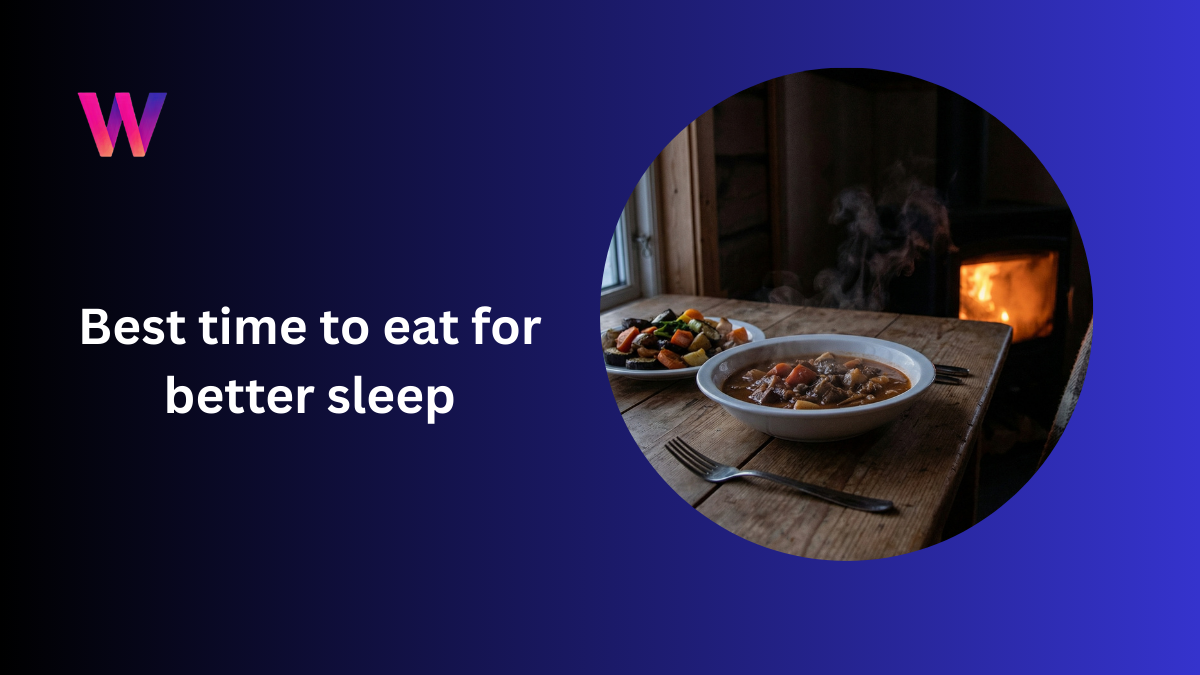
Winter changes everything. You feel it the moment you step outside: the biting cold, the shorter days, and the instinctive urge to hibernate. Yet, while we swap our wardrobes and adjust our thermostats, we rarely adjust one of the most critical biological inputs we control: our meal timing.
We tend to eat dinner at the same time year-round—usually late, after a long workday. However, your body’s internal clock (circadian rhythm) is inextricably linked to the sun. In winter, when the sun sets as early as 4:30 or 5:00 PM, maintaining a summer eating schedule creates a biological mismatch. This “chronodisruption” is a primary, yet often overlooked, culprit behind winter weight gain, seasonal insomnia, and sluggish digestion.
If you have ever wondered why you feel heavier, groggier, and more prone to acid reflux during the colder months, the answer likely lies not just in what you are eating, but specifically when.
This guide serves as a definitive resource on synchronizing your dinner with the winter season. We will explore the physiology of winter digestion, the impact of thermodynamics on sleep, and the metabolic advantages of shifting your schedule.


Table of Contents
The Science of Seasonality: How Winter Rewires Your Biology
To understand the “best time,” we must first understand the biological context. Humans are not machines; we are seasonal organisms.
The Melatonin-Insulin Conflict
As darkness falls earlier in winter, your pineal gland begins producing melatonin—the sleep hormone—much earlier in the evening compared to summer. Melatonin does more than just make you sleepy; it signals the pancreas to reduce insulin secretion.
Here is the critical conflict: Melatonin and insulin are antagonists.
- When melatonin rises, your body prepares for a fasted state (sleep).
- If you eat a heavy dinner at 8:30 PM during winter (when your body thinks it has been “night” for three hours), you are dumping glucose into the bloodstream exactly when your pancreas is trying to power down.
This results in higher blood sugar spikes, prolonged digestion, and increased fat storage, specifically visceral fat.
The Thermogenic Trade-off
In winter, your body uses significant energy for thermoregulation (keeping you warm). When you eat, blood flow is diverted to the stomach and intestines to aid digestion (splanchnic circulation). If you eat a massive meal late at night in a cold environment, your body struggles to balance the need to keep your core warm and the need to digest food. This metabolic “confusion” often leads to bloating and indigestion.
The Golden Window: So, When is the Best Time?
Based on chronobiology and digestive efficiency, the optimal time to eat dinner in winter is between 6:00 PM and 7:00 PM.
This may sound excessively early for the modern worker, but let’s break down why this specific window is crucial during the colder months.
1. The “Sunset + 2 Hours” Rule
Ideally, you should finish your last caloric intake within two to three hours of sunset. In winter, this is impossible for most. However, the 6:00 PM to 7:00 PM window offers a compromise. It ensures you are eating while your core body temperature is still relatively high, which aids enzymatic activity.
2. The Three-Hour Buffer
You need a minimum of three hours between your last bite and your head hitting the pillow. In winter, we tend to sleep earlier. If your target bedtime is 10:00 PM to maximize restorative sleep, your dinner plate must be cleared by 7:00 PM.
3. The Cortisol Drop
Cortisol levels (the stress hormone) naturally drop in the evening. In winter, this drop happens faster due to the lack of blue light from the sun. Eating too late causes a cortisol spike (as digestion is a stressor), which creates a “second wind” of energy that prevents deep sleep.
Digestion in the Deep Freeze
Why does your stomach feel more sensitive in winter? The cold weather constricts blood vessels (vasoconstriction) in your extremities to preserve heat for vital organs. While this keeps your heart and lungs warm, it can make the digestive tract sluggish if overwhelmed.
The “Slowing” Effect
Gastric emptying—the speed at which food leaves your stomach—naturally slows down in the evening. In winter, reduced physical activity further decreases gut motility.
If you eat a heavy meal at 9:00 PM:
- Acid Reflux Risk Increases: Lying down while food is still in the stomach allows acid to creep into the esophagus. The pressure is higher when digestion is slow.
- Nutrient Malabsorption: Enzymes require a specific temperature and blood flow to function optimally. A late, cold night meal often results in food passing through partially undigested, causing gas and bloating the next morning.
Pro Tip: If you must eat late, stick to warm, liquid-based meals like soups or stews. The pre-digested nature of soup requires less mechanical effort from the stomach.

Sleep Architecture and Body Temperature
Sleep is not a passive “off switch”; it is an active physiological process. The most critical factor for deep sleep (Slow Wave Sleep) is a drop in core body temperature.
The Thermic Effect of Food (TEF)
Digestion generates heat. This is known as the Thermic Effect of Food.
- The Scenario: It is a cold winter night. You eat a steak and potato dinner at 8:30 PM.
- The Result: Your metabolism ramps up to break down the protein and carbs, raising your internal body temperature.
- The Consequence: When you go to bed at 10:30 PM, your body is too hot internally to enter deep sleep. You might fall asleep, but you will likely experience “micro-wakeups” and lack of REM cycles.
By eating at 6:30 PM, the TEF spike occurs between 7:00 PM and 9:00 PM. By 10:00 PM, your body temperature is naturally dropping, perfectly synchronizing with your sleep cycle.
Winter Metabolism and Weight Management
There is an evolutionary theory called the “Thrifty Gene Hypothesis.” In winter, historically, food was scarce. Mammals are programmed to store fat more efficiently in winter to survive the cold.
While we now live in heated homes with full fridges, our genes haven’t changed. Our insulin sensitivity is naturally lower in winter evenings.
The Late-Night Fat Trap
When you eat late in winter:
- Insulin Response is Blunted: Your cells don’t accept glucose as readily.
- Circulating Glucose remains High: High blood sugar prevents the release of Human Growth Hormone (HGH), which is crucial for repair and metabolism and is released primarily during sleep.
- Fat Storage is Prioritized: The excess glucose is converted to triglycerides and stored in adipose tissue.
The Data: Studies in chrononutrition suggest that the exact same meal eaten at 10:00 PM causes a significantly higher glucose spike than if eaten at 6:00 PM. In winter, this disparity is magnified.
Optimizing the Winter Plate: What to Eat for Early Dinners
Timing is king, but composition is queen. To make a 6:30 PM dinner sustainable (so you don’t wake up hungry), you must structure the meal correctly.
The Satiety Triad
To prevent late-night snacking, your winter dinner must contain:
- Fiber: Roasted root vegetables (carrots, beets, parsnips).
- Lean Protein: Turkey (rich in tryptophan), fish, or legumes.
- Healthy Fats: Ghee, olive oil, or avocado.
Foods to Avoid After 7:00 PM in Winter
- Raw Salads: In Ayurvedic terms, raw foods are “cooling” and hard to digest. They dampen the “digestive fire” (Agni) which is already lower in the winter evenings.
- Heavy Red Meats: These take 4-6 hours to digest.
- Spicy Foods: While capsaicin warms you up, it can induce heartburn when lying down and raise body temp too high right before bed.
The “Winter Super-Supper” Example
- Time: 6:45 PM
- Menu: Lentil soup with ginger and turmeric (warming spices), a side of steamed sweet potato (complex carb for serotonin), and a small portion of grilled chicken.
- Drink: Warm chamomile or ginger tea (no caffeine).
Practical Strategies: How to Shift Your Schedule
We live in the real world. You might work until 6:00 PM, have a commute, or manage kids. Changing dinner time to 6:30 PM feels daunting. Here is a realistic roadmap to shifting your cycle.
Strategy 1: The “Sunset Snack” (For the 9-to-5 Worker)
If you cannot eat dinner until 8:30 PM due to work, you must change the size of the meals.
- 4:30 PM (Before leaving work): Have a substantial “mini-meal.” A wrap, a bowl of oatmeal, or a protein shake. This breaks your hunger.
- 8:30 PM (Home): Eat a very light dinner. Think soup, steamed veggies, or a small salad.
- Why this works: You front-load the calories when your metabolism is still active, leaving only light digestion for the late hours.
Strategy 2: The 15-Minute Increment
Don’t jump from 9:00 PM to 6:00 PM overnight. You will wake up starving.
- Week 1: Move dinner to 8:45 PM.
- Week 2: Move to 8:30 PM.
- Week 3: Move to 8:15 PM.
- Goal: Stop when you reach a sustainable 7:00 PM – 7:30 PM range.
Strategy 3: Meal Prepping for Winter
The main reason we eat late is the friction of cooking.
- Slow Cooker/Instant Pot: Set it in the morning. When you walk in the door at 6:00 PM, dinner is hot and ready. This removes the “cooking time” barrier and allows you to eat immediately.
Specific Scenarios: Tailoring the Advice
1. The Athlete / Gym Goer
- Problem: You train at 7:00 PM.
- Solution: Eat your main meal at 5:00 PM (pre-workout). Post-workout (8:30 PM), consume a liquid protein shake and a fast-digesting carb (like a banana). Do not eat a full solid meal.
2. The Shift Worker
- Problem: Your “night” is everyone else’s “day.”
- Solution: adhere to your wake cycle, not the sun. Your “dinner” should still be 3 hours before your sleep time, regardless of what the clock says. However, use blackout curtains to simulate winter darkness to help melatonin production.
3. The Social Diner
- Problem: Dinner parties happen late.
- Solution: If you know you have a late meal on Saturday, fast longer on Sunday morning. Give your digestive system a 14-16 hour break to clear the backlog.
The Psychological Benefit: Beating the Winter Blues
Seasonal Affective Disorder (SAD) is common in winter. Interestingly, gut health is directly linked to mental health via the gut-brain axis.
90% of your body’s serotonin (the happiness neurotransmitter) is produced in the gut. When you eat late and disturb your gut microbiome with indigestion and inflammation, you impair serotonin production.
By eating early and allowing your gut to rest and repair overnight, you are actively supporting your mental health. You wake up with a “clean slate,” less inflammation, and better mood regulation to handle the gray winter days.
Frequently Asked Questions (FAQ)
Q: I get hungry before bed if I eat at 6 PM. What should I do? A: This usually means your dinner didn’t have enough protein or fiber. However, if hunger strikes, have a small “sleep-supportive” snack: a handful of walnuts (natural melatonin), a kiwi, or a small cup of warm almond milk. Avoid sugar.
Q: Does drinking water with dinner affect digestion in winter? A: Ayurverda and modern digestion theories suggest avoiding large amounts of ice-cold water with meals, as it can dilute enzymes and lower stomach temp. Sip warm water or ginger tea during the meal instead.
Q: Is Intermittent Fasting (IF) good in winter? A: Yes, but adjust the window. Instead of skipping breakfast (which warms the body), try skipping dinner or making it very early. An 8:00 AM to 4:00 PM eating window is biologically superior in winter than a 12:00 PM to 8:00 PM window.
Q: What if I just can’t fall asleep early? A: Eating early actually helps reset your clock. If you consistently stop eating at 7:00 PM, your body will naturally begin to feel sleepy earlier after about a week. It is a training process.
Conclusion: Reclaiming Your Winter Rhythm
Winter is not meant to be a season of sickness, weight gain, or lethargy. It is a season of restoration. By ignoring the sun and eating according to a modern, artificial clock, we fight against our own biology.
The best time to eat dinner in winter is before 7:00 PM.
This simple shift acts as a master key. It unlocks better digestion by working with your enzymatic peak. It unlocks deep sleep by allowing your core temperature to drop. And it unlocks a healthier metabolism by aligning nutrient intake with insulin sensitivity.
Tonight, try it. Close the kitchen early. Dim the lights. Let your body do what it was designed to do: rest, repair, and prepare for the light of the next day.
This is a comprehensive guide designed to maximize reader engagement, optimize for search intent, and provide deep, actionable value regarding seasonal chrononutrition.
Key Takeaways
| Feature | Summer Eating | Winter Eating (Optimal) |
| Ideal Dinner Time | 7:30 PM – 8:30 PM | 6:00 PM – 7:00 PM |
| Melatonin Onset | Late (9:00 PM+) | Early (5:30 PM – 6:30 PM) |
| Metabolic Speed | Higher | Slower (Evolutionary conservation) |
| Best Food Types | Salads, raw foods, cooling meals | Soups, stews, cooked roots, warming spices |
| Primary Goal | Hydration & Energy | Warmth, Immunity & Restoration |
(Note: This article is for informational purposes. Always consult with a healthcare provider or dietician before making drastic changes to your diet, especially if you have diabetes or metabolic conditions.)